
Choose kitchen finishes as one room, not separate samples
Cabinet color, wood, stone, backsplash, floor, wallpaper, hardware, and lighting change one another. Start with a working layout, choose what should lead, and compare the real materials together in the light and scale they will actually occupy.
Start With Function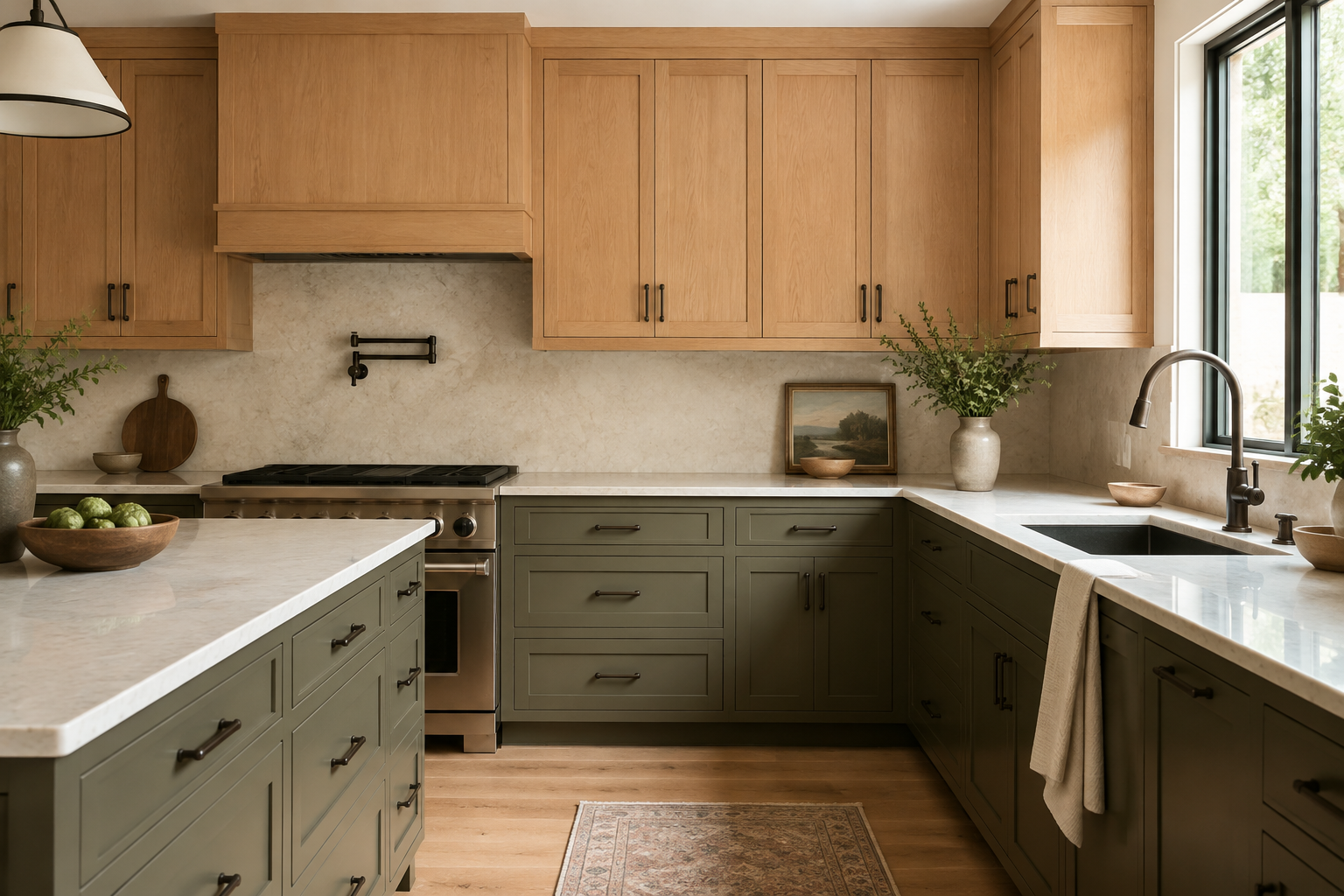
Build one finish story and test the inspiration
Choose a lead material, supporting surfaces, and places where the eye can rest. Ask what a saved room depends on—daylight, ceiling height, camera angle, room size, storage, and material coverage—then keep the idea you love while adapting it to your kitchen.
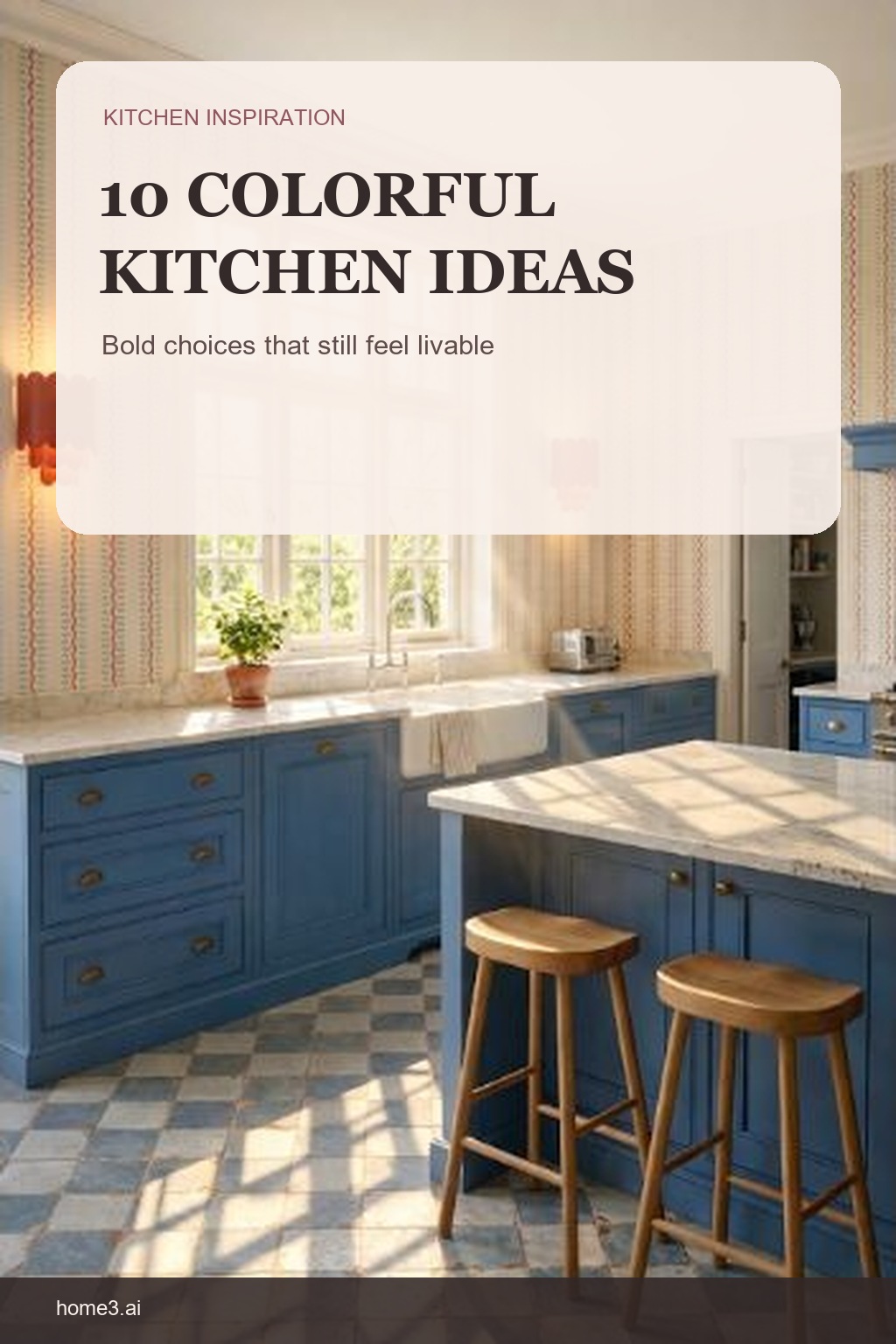
10 Kitchen Color Ideas That Still Feel Livable
Explore 10 colorful kitchen directions and the practical choices that help bold blues, greens, berry tones, yellow, and red feel intentional at home.
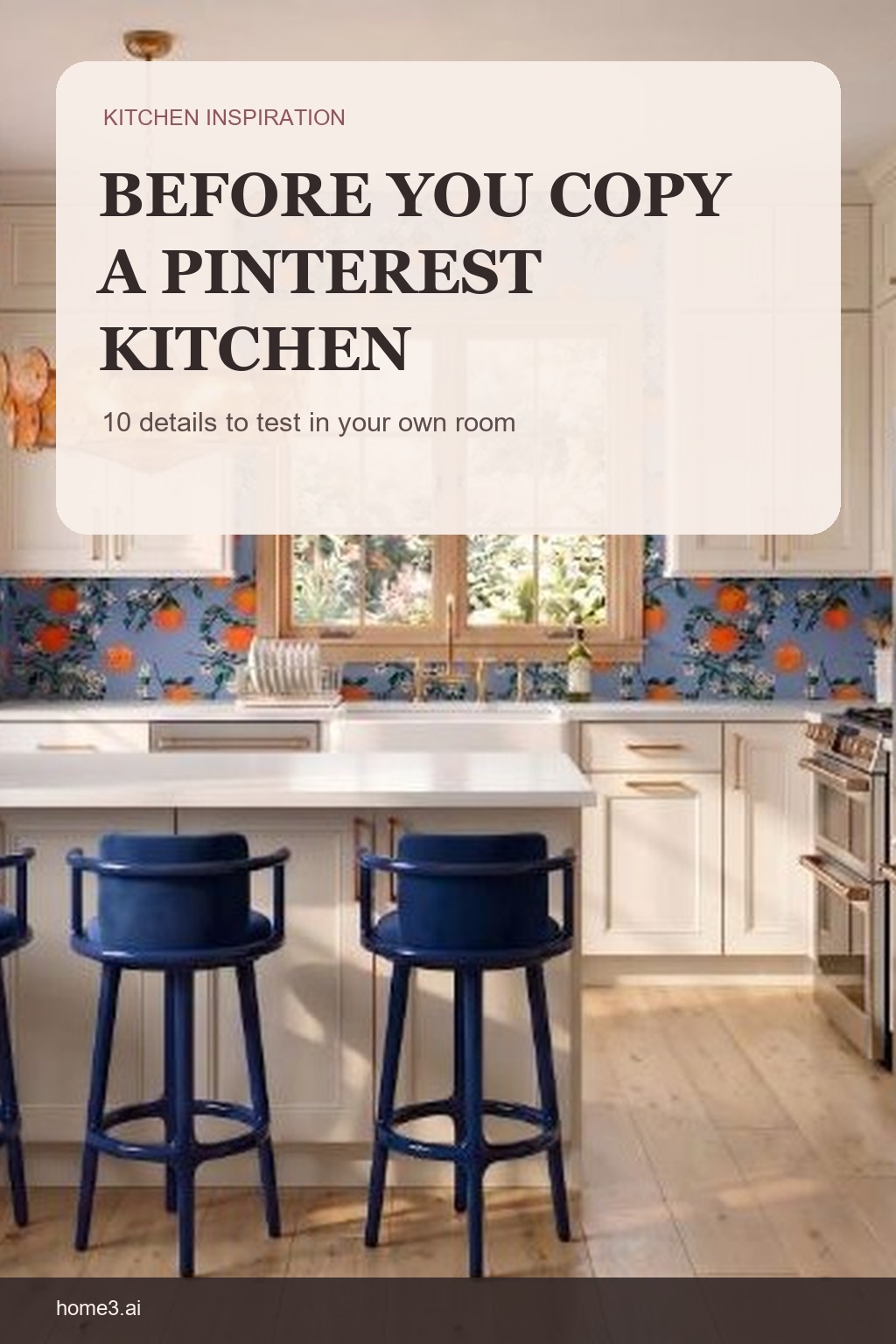
Before You Copy a Pinterest Kitchen: 10 Things to Test
Saved a kitchen you love? Test these 10 layout, light, storage, and workflow details before you copy the look into a room that works differently.
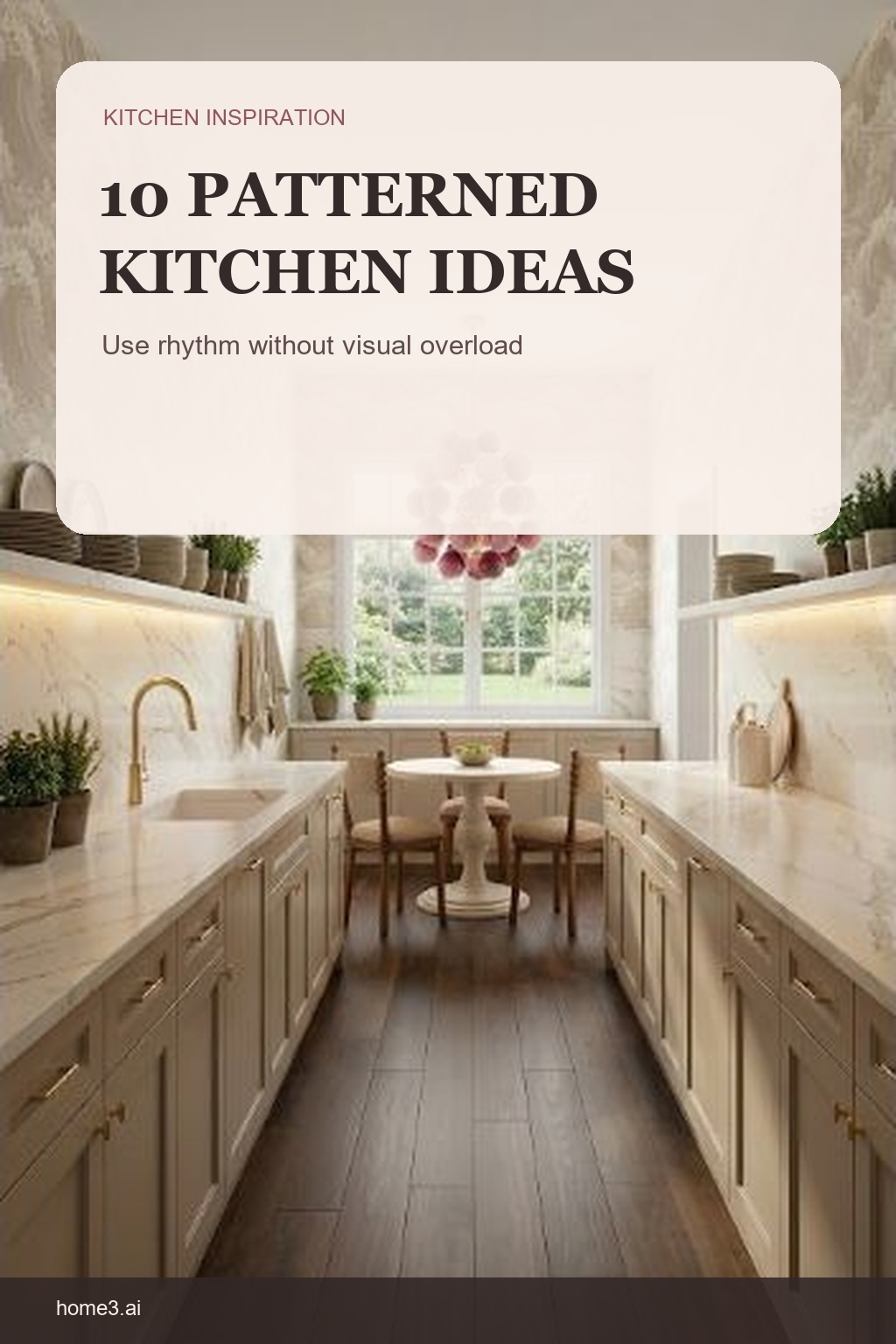
10 Patterned Kitchen Ideas Without the Visual Chaos
See 10 patterned kitchens and learn how palette, scale, sightlines, repetition, and quieter materials can make an expressive room feel intentional.
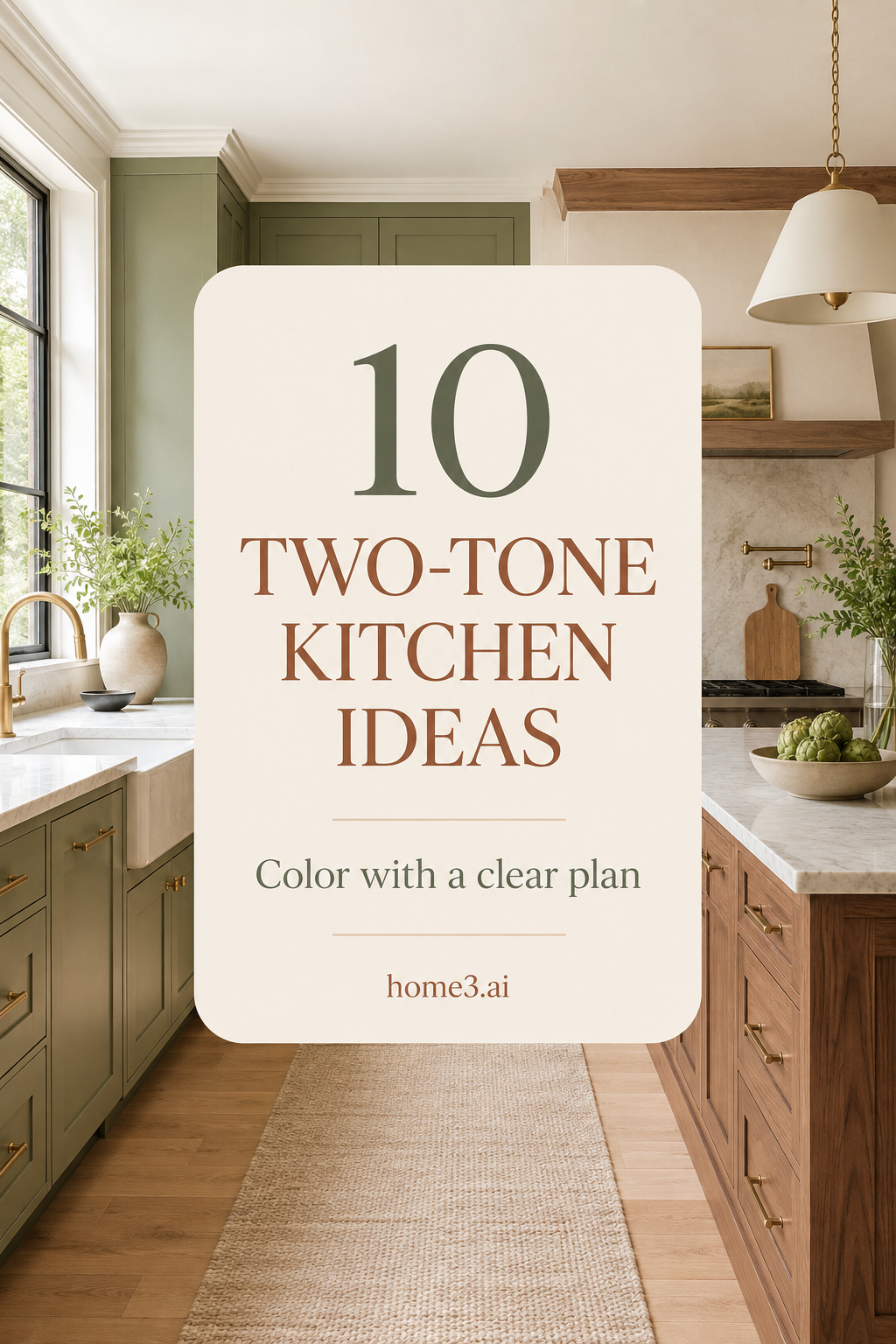
10 Two-Tone Kitchen Cabinet Ideas That Feel Intentional
Plan a two-tone kitchen with clear color boundaries, compatible undertones, quiet surrounding materials, real samples, and a cabinet layout that gives each finish a useful job.
Painted vs. Stained Kitchen Cabinets: 10 Questions Before You Choose a Finish
Choose painted or stained cabinets by comparing grain, joints, room light, cleaning, touchups, surrounding materials, mixed-finish boundaries, and the full finish schedule.
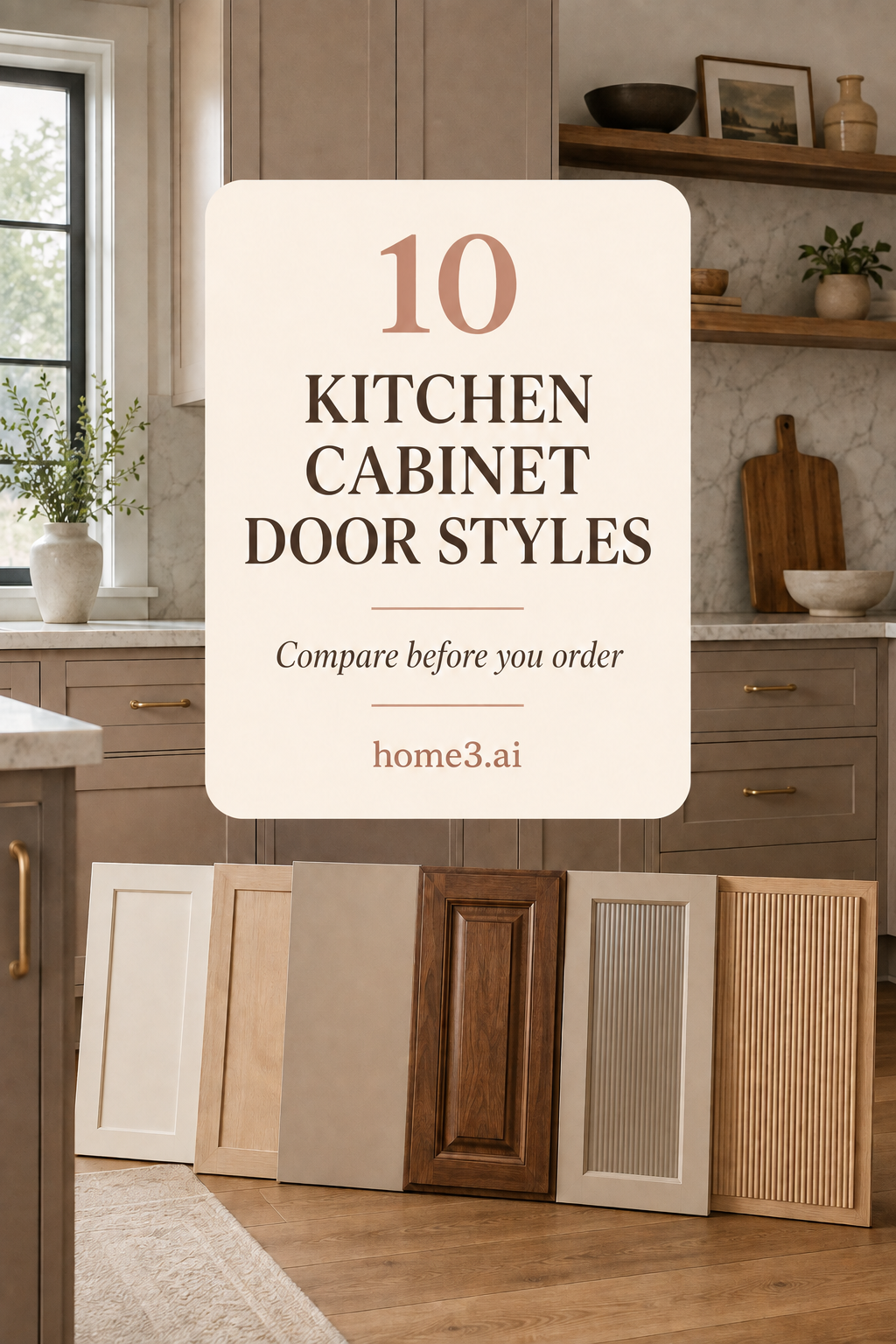
10 Kitchen Cabinet Door Styles to Compare Before You Order
Compare Shaker, slab, raised-panel, glass, beadboard, reeded, and other cabinet door styles with practical checks for cleaning, scale, light, hardware, and the room around them.
Explore color families with the whole palette nearby
Color names are a starting point, not a specification. Put the actual cabinet sample beside the floor, counter, backsplash, wall paint, wood, and hardware. Review it in morning daylight, evening light, and the task lighting you plan to use.
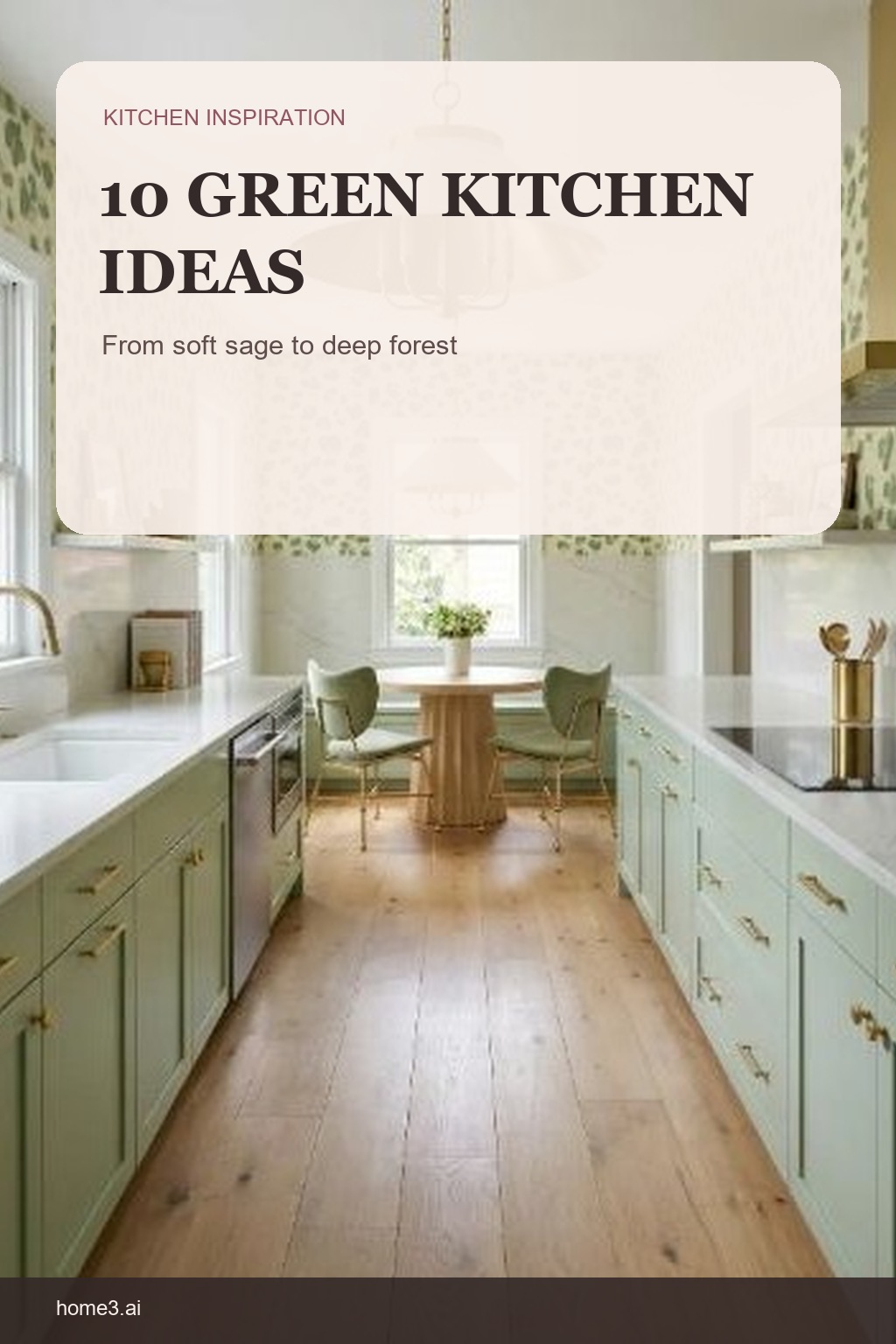
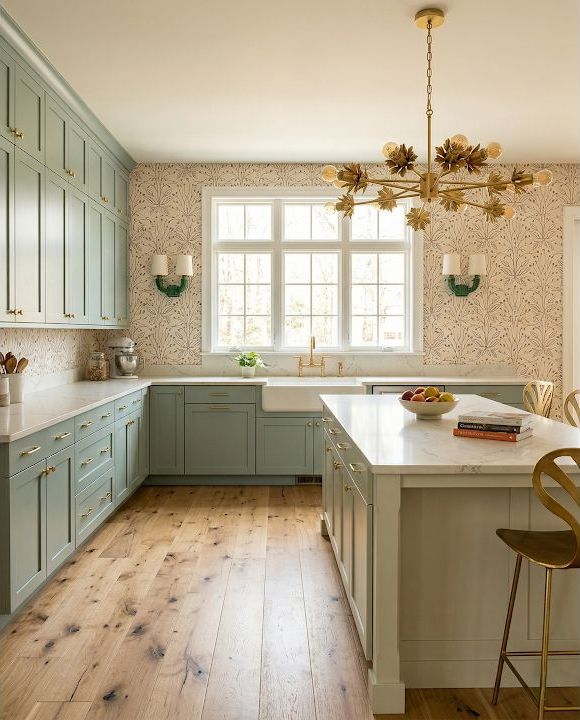
10 Green Kitchen Cabinet Ideas That Feel Fresh
Explore 10 green kitchen cabinet ideas—from sage and olive to deep forest—with practical ways to balance pattern, wood, black, pink, and warm neutrals.
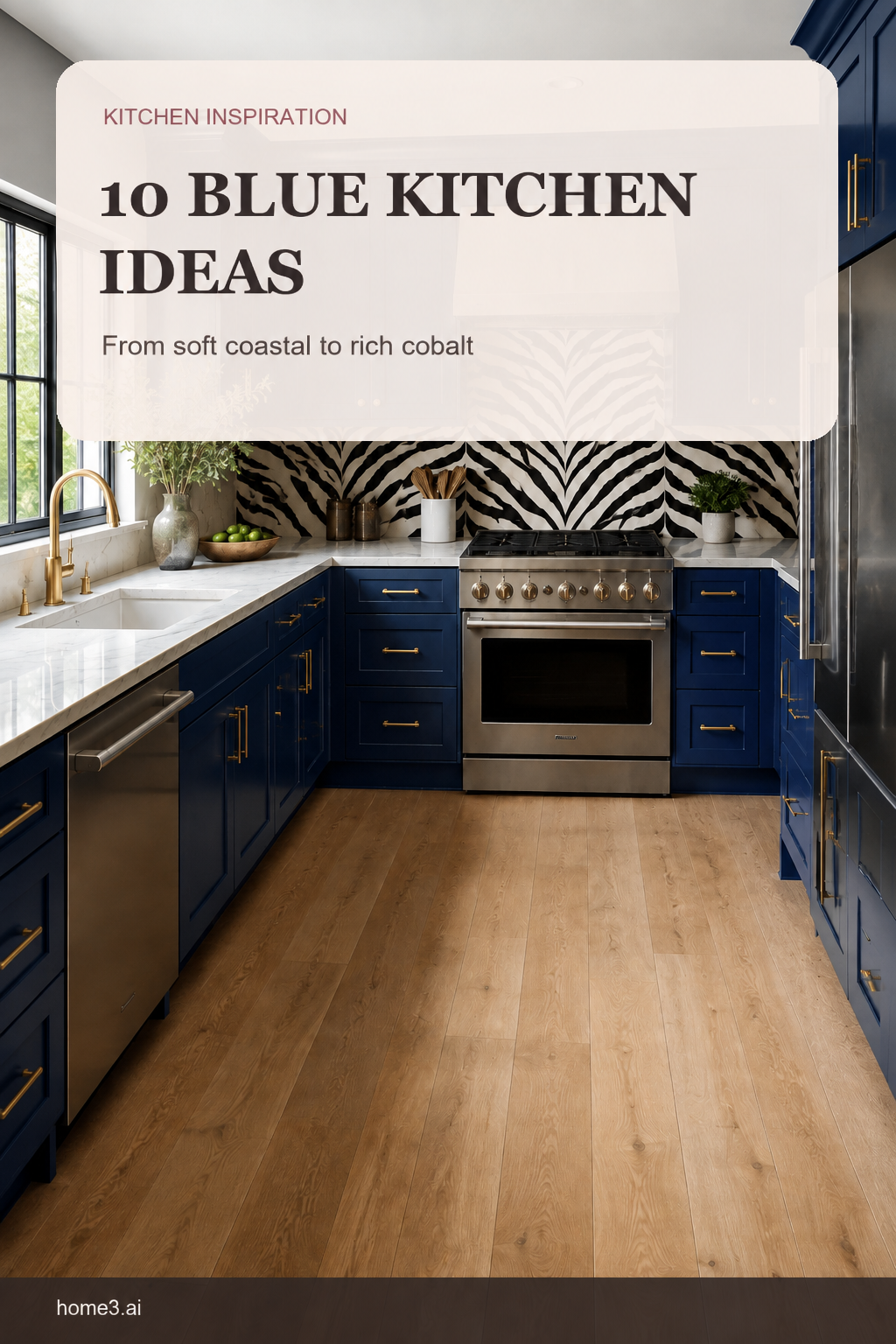
10 Blue Kitchen Ideas for a Calm but Colorful Room
Explore 10 blue kitchen ideas—from light coastal blue to cobalt and navy—with practical ways to balance pattern, red accents, beige, wood, and green.
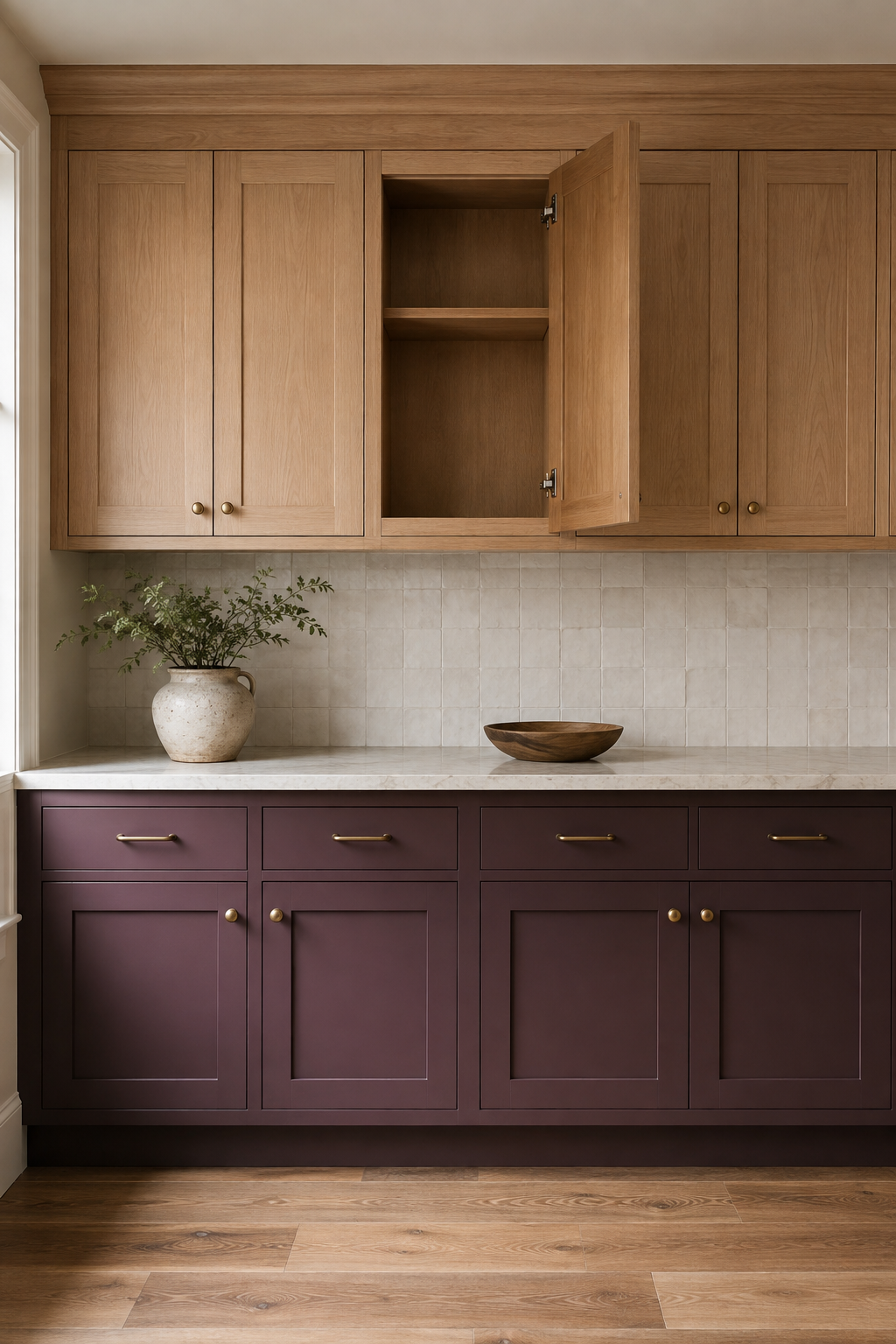
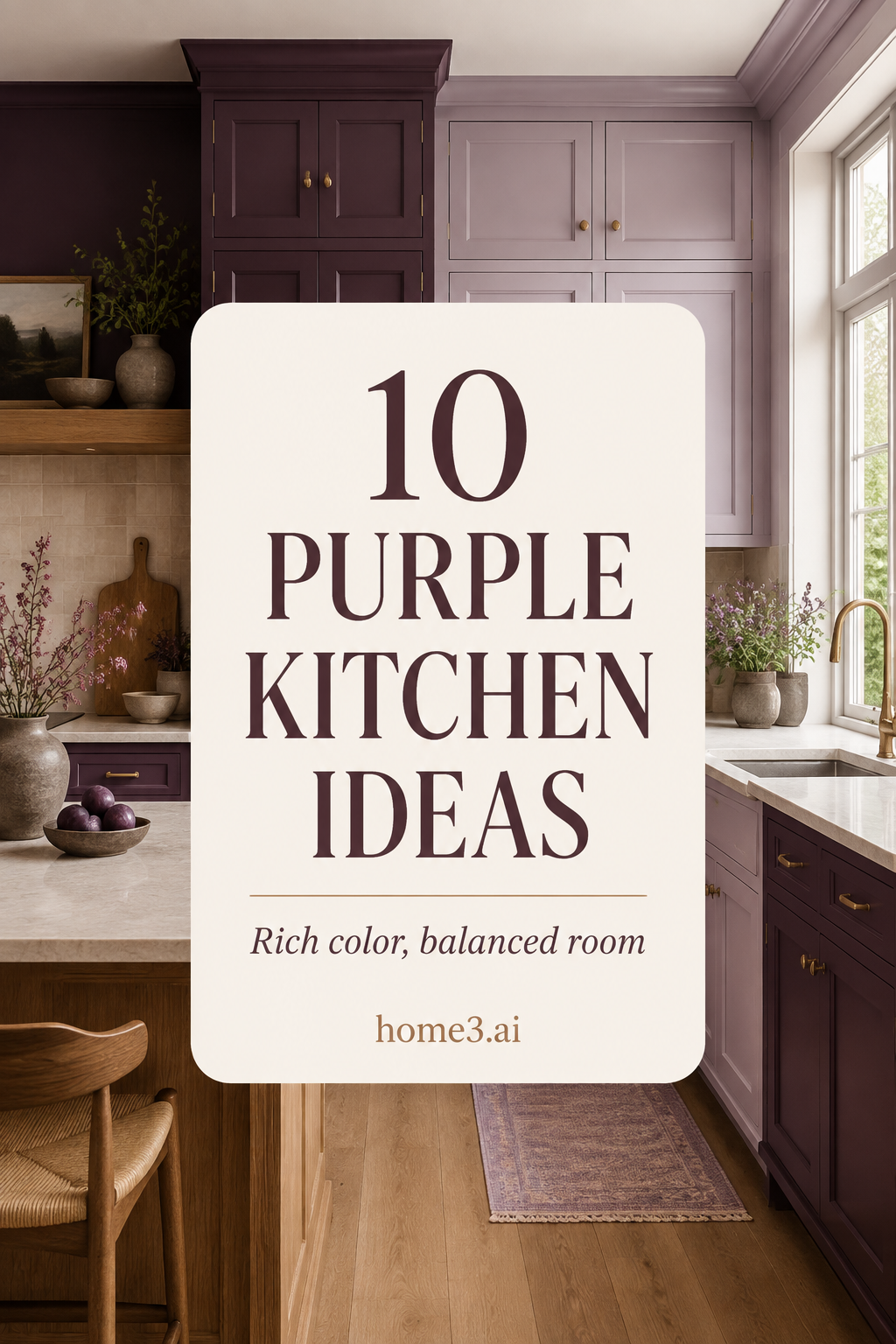
10 Purple Kitchen Cabinet Ideas That Feel Rich, Not Overwhelming
Explore ten practical ways to use lavender, plum, and aubergine kitchen cabinets while balancing light, wood, stone, pattern, hardware, and the room around them.
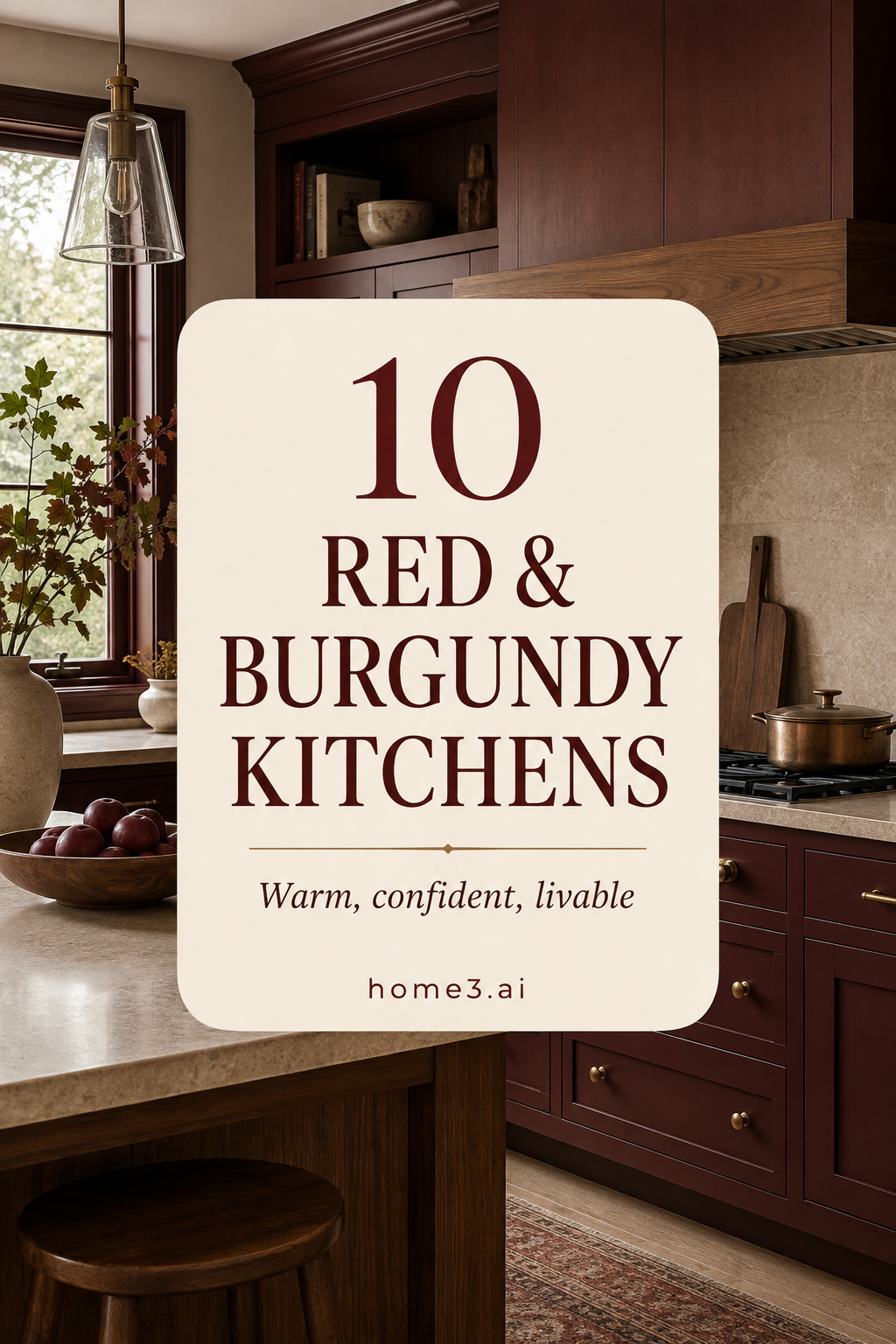
10 Red and Burgundy Kitchen Cabinet Ideas That Feel Warm, Not Loud
Use wine red, oxblood, terracotta, and burgundy kitchen cabinets with confidence by balancing undertone, wood, stone, pattern, light, and everyday function.
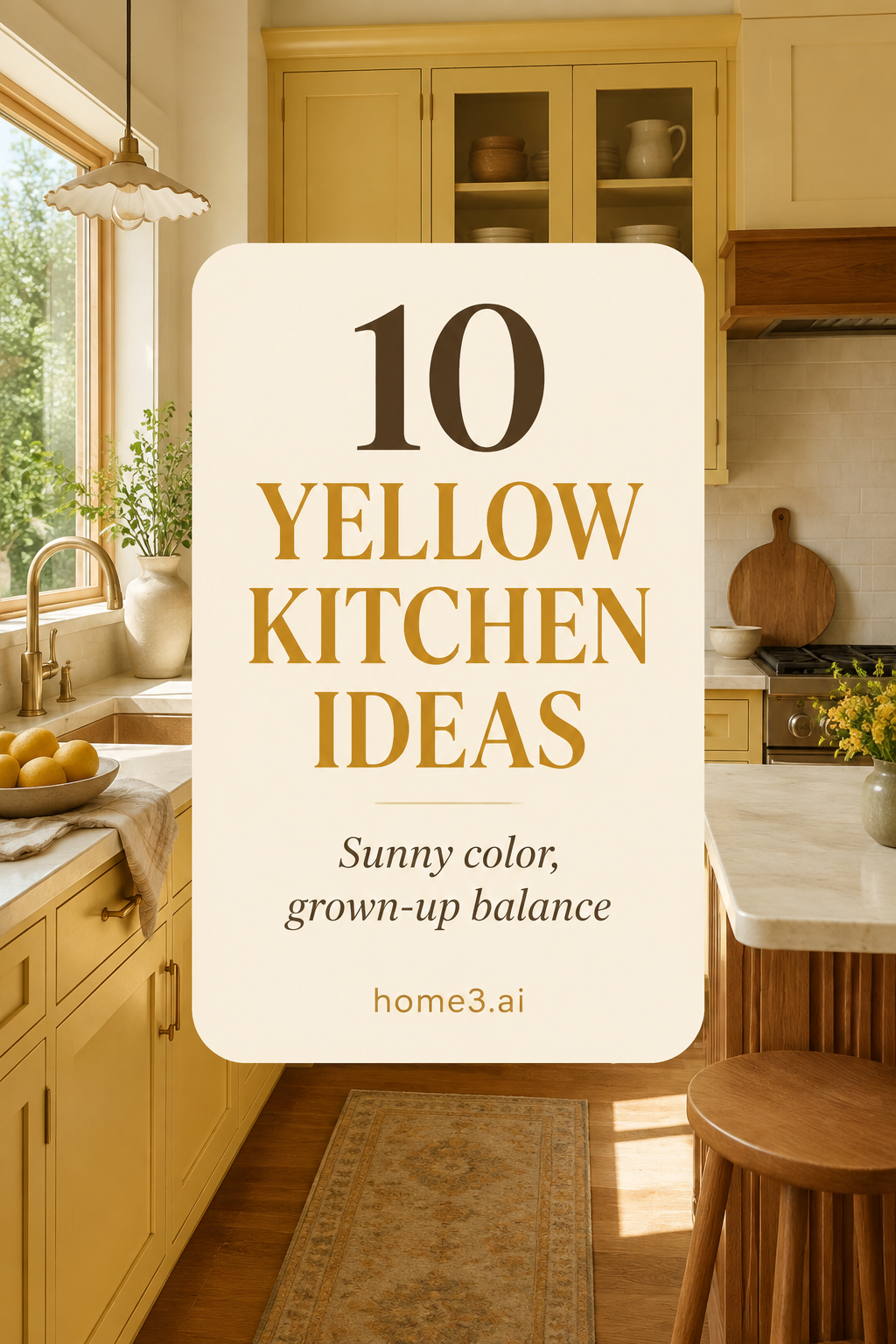
10 Yellow Kitchen Cabinet Ideas That Feel Sunny, Not Sweet
Explore butter, straw, mustard, and ochre kitchen cabinets with practical advice for balancing daylight, wood, stone, floors, contrast, and a functional layout.
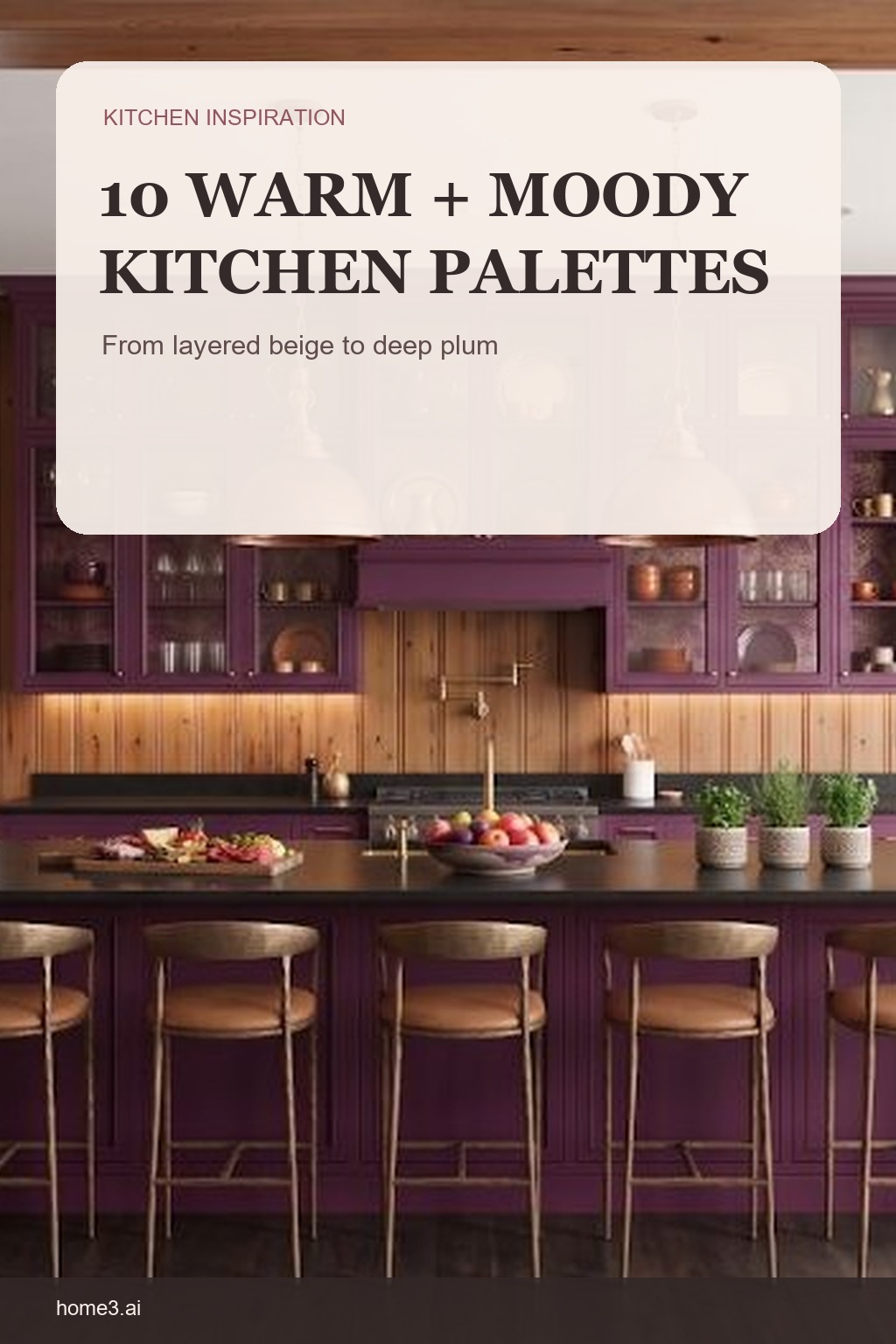
10 Warm and Moody Kitchen Color Palettes to Explore
Explore 10 warm and moody kitchen palettes—from layered beige and powder blue to plum, ochre, black, and dark wood—with practical planning notes.
Coordinate the large surfaces, pattern, and light
Coverage, scale, grout, seams, cuts, transitions, maintenance, and reflected light matter as much as color. See a material at the size it will occupy and keep practical conditions—water, heat, traffic, cleaning, fabrication, and installation—attached to the choice.
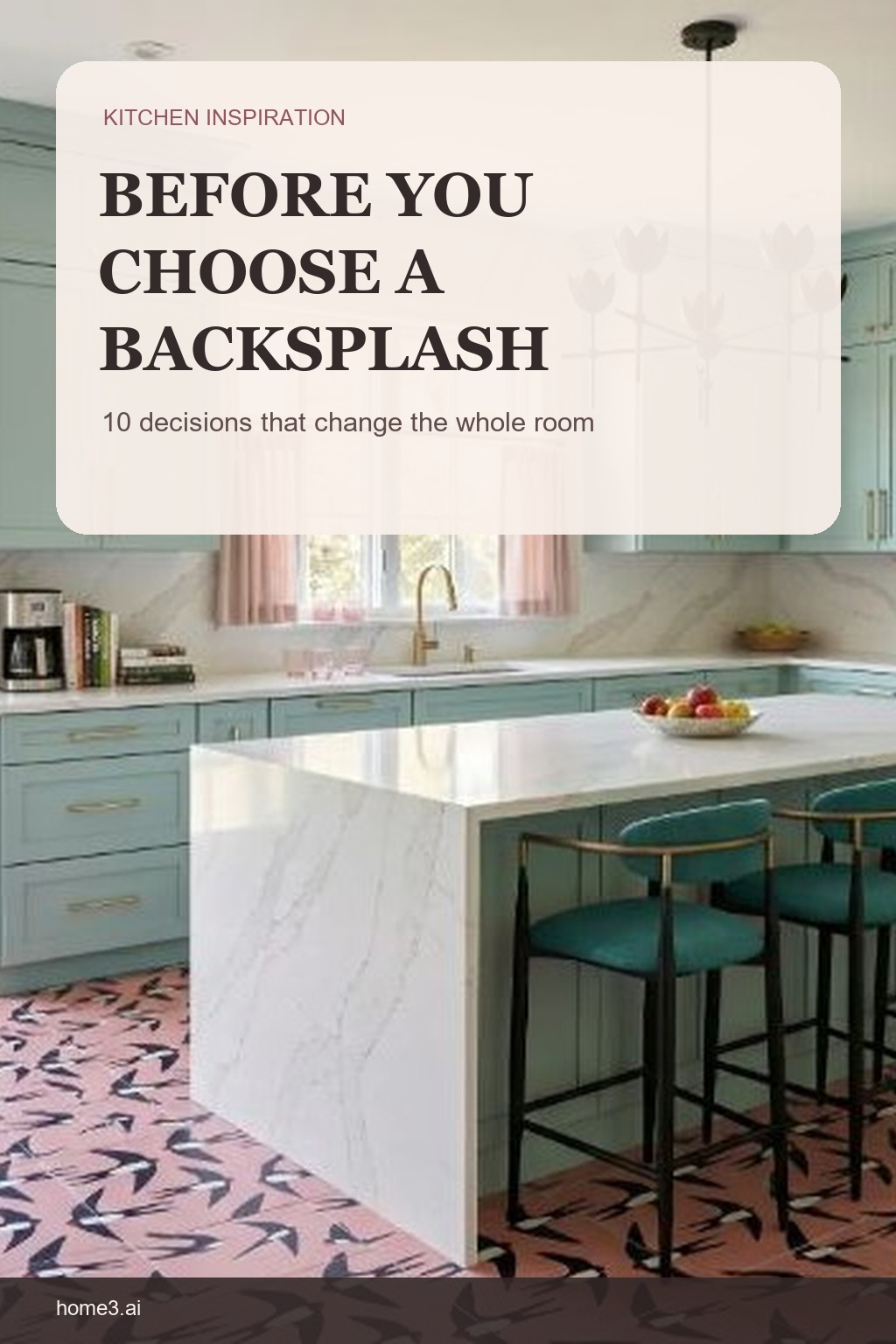
Before You Choose a Kitchen Backsplash: 10 Things to Test
Before you buy kitchen backsplash material, test these 10 decisions about coverage, scale, grout, color, outlets, lighting, and the room around it.
10 Kitchen Floor Ideas to Test Before You Commit
Compare 10 kitchen flooring ideas and learn how to think through color, pattern, plank direction, transitions, rugs, cleaning, and the room around the floor.
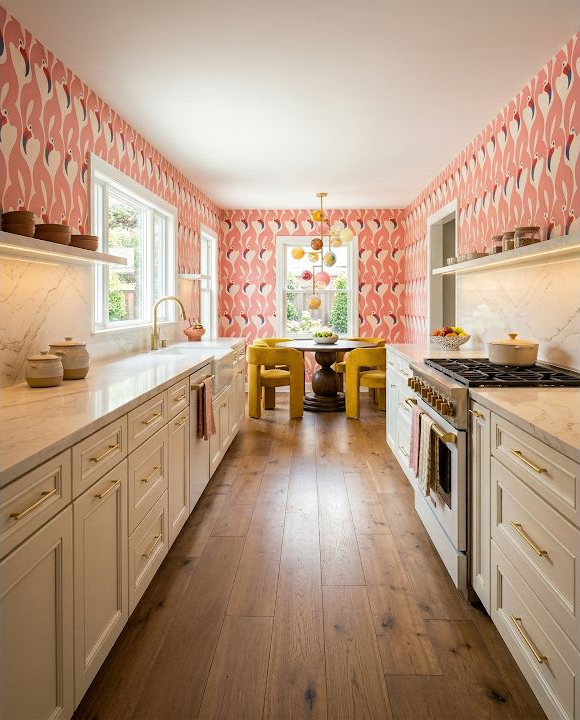
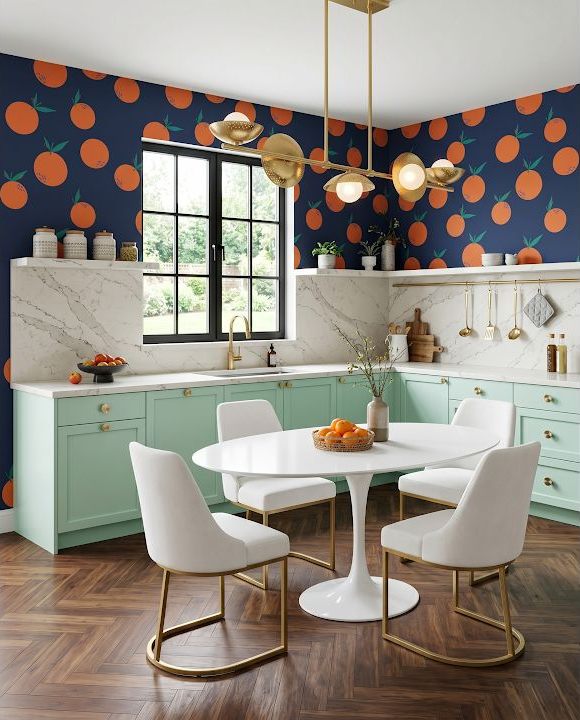
10 Kitchen Wallpaper Ideas That Feel Bold but Livable
Explore 10 kitchen wallpaper concepts and learn how to judge pattern scale, contrast, seams, sightlines, lighting, and nearby finishes before you commit.
10 Kitchen Lighting Ideas for Better Work and Better Mood
Explore 10 kitchen lighting concepts and learn how to combine task, ambient, and decorative light while avoiding glare, shadows, poor scale, and misplaced fixtures.
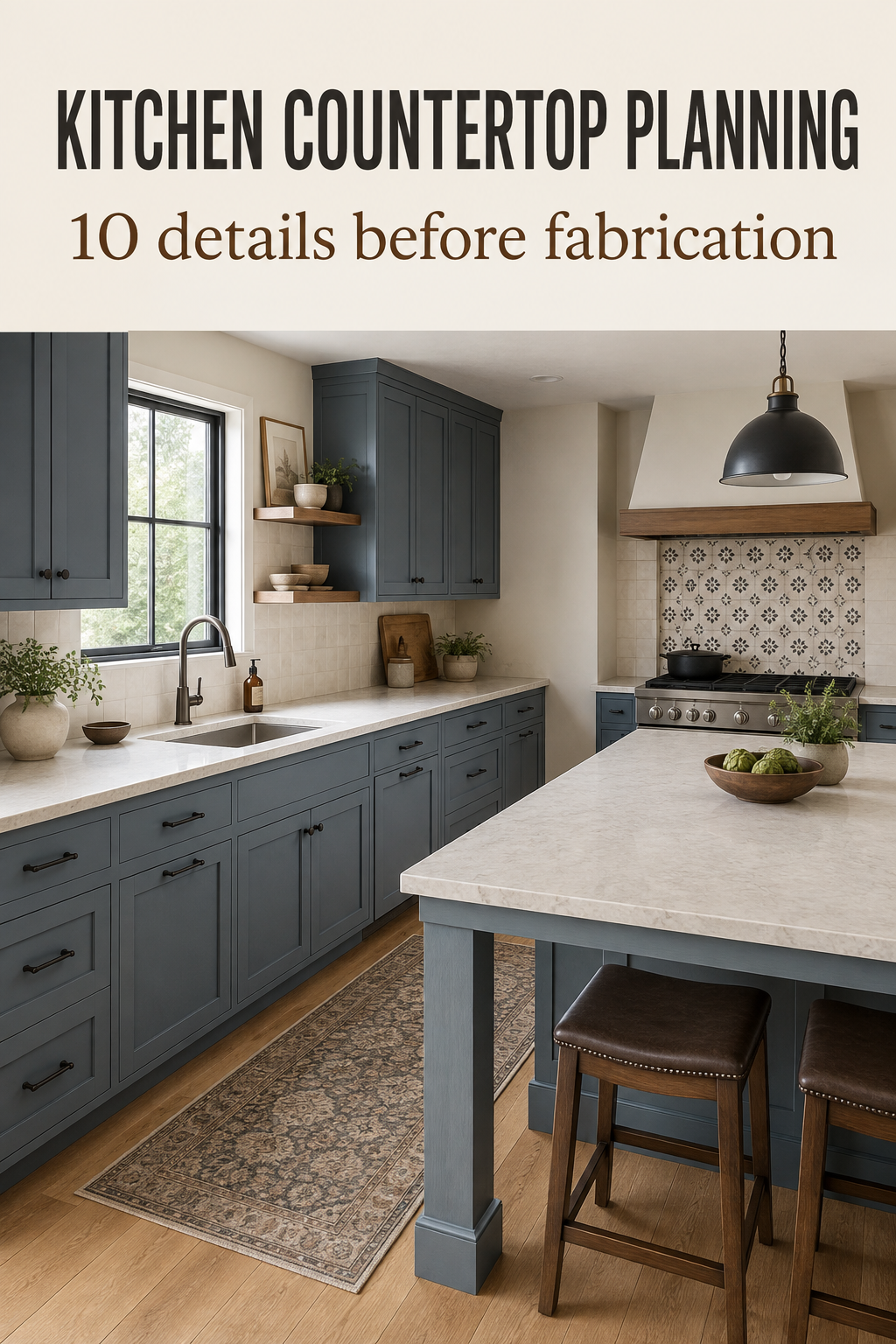
Kitchen Countertop Planning: 10 Details to Settle Before Fabrication
Coordinate seams, cutouts, overhangs, supports, appliance gaps, edges, walls, and fixture holes before the countertop is templated.
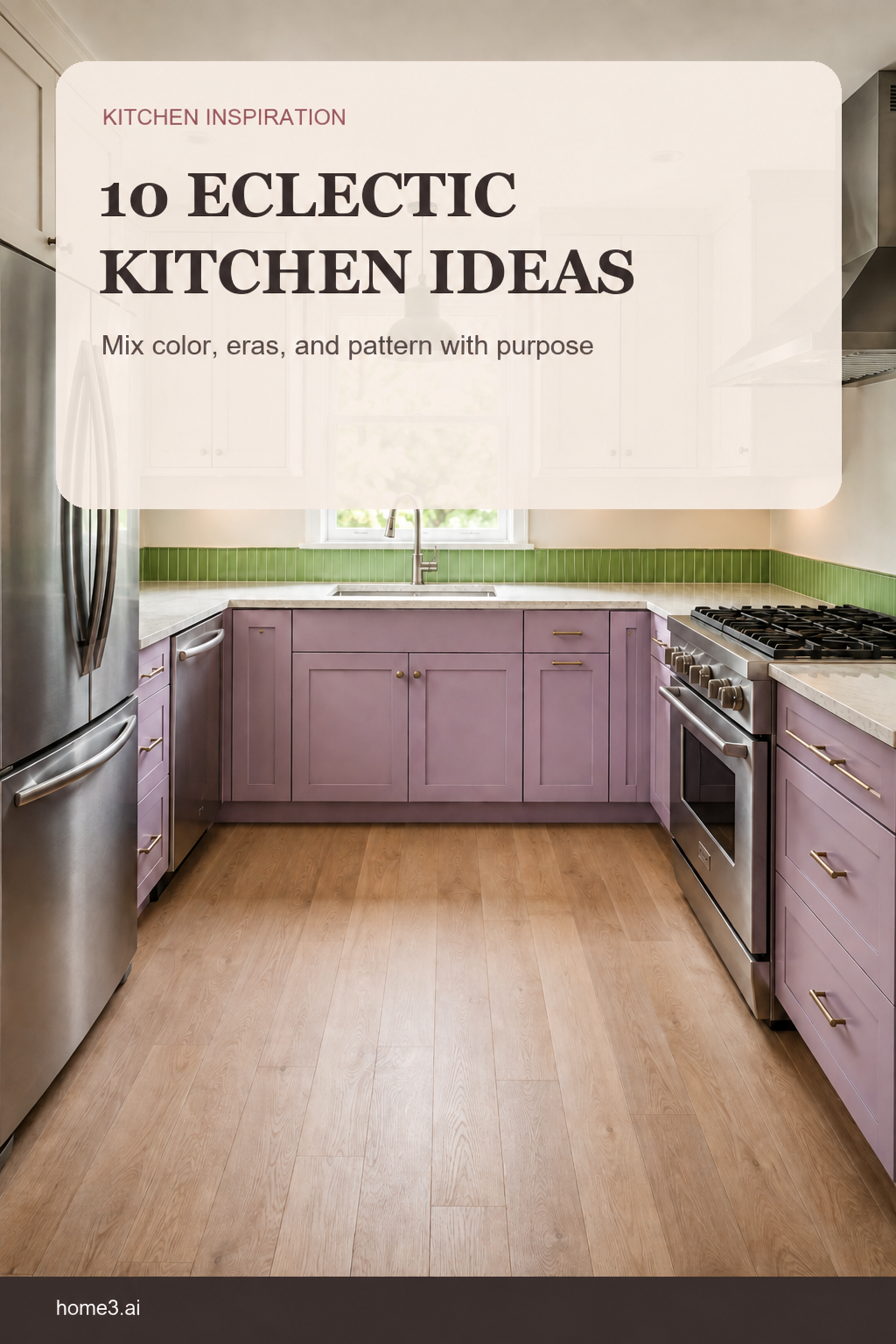
10 Eclectic Kitchen Ideas That Still Feel Pulled Together
Explore 10 eclectic kitchen ideas and learn how repetition, palette, scale, calm surfaces, and strong shapes can make a personal mix feel intentional.
Borrow the principle, not the photograph
A saved image may depend on a camera angle or room volume you do not have. Identify the color balance, material contrast, or focal point you can genuinely carry into your plan.
Test bigger than a tiny chip
Move large samples around the room and view them beside the fixed materials. A finish that works on one wall can shift beside another window, floor, or connected room.
Confirm the real product
Let suppliers, fabricators, installers, and licensed trades verify product suitability, lot variation, care, fabrication, substrate, lighting, and installation requirements before purchase.
Approving every sample by itself
A cabinet color, counter, floor, metal, and wall paint can each look good alone and still compete when placed together. Keep the main samples side by side and decide which surface should lead. The others can support it through quieter pattern, contrast, warmth, or repetition.
Trusting a phone image or one small chip
Screens alter color, and a tiny sample hides the movement and repetition of a large surface. View physical samples in the actual room at different times of day. For stone, tile, wallpaper, and strong wood grain, look at enough area to understand how the pattern will repeat.
Ignoring the fixed finishes already in the room
Flooring, adjacent paint, windows, existing wood, and natural light are part of the palette even when they are not being replaced. Put the new materials beside those fixed conditions. A finish story feels deliberate when undertones and contrast are tested in context, not when every item simply matches.
Give the finish plan a kitchen that works
Use StilePath to arrange the room, cabinet layout, appliances, storage, and circulation in 3D. Keep the real finish samples beside the plan and approve the specified products through the responsible providers before ordering.
Start Planning Free