
Choose the project that fixes the problem you actually have
Refacing can refresh sound cabinets with new visible surfaces, while replacement can change boxes, storage, and layout. Neither is automatically the smart or budget choice; the right answer depends on what is staying and what you need the kitchen to do. You can begin the comparison yourself. Get a flashlight, tape measure, pencil, paper, and your phone camera. Open every door and drawer, note what works, and circle what makes daily life harder. These ten questions will help you organize the evidence before estimates. Final condition, construction, finish compatibility, scope, installation, and code decisions require the responsible cabinet providers, installers, contractor, trades, and project professionals.
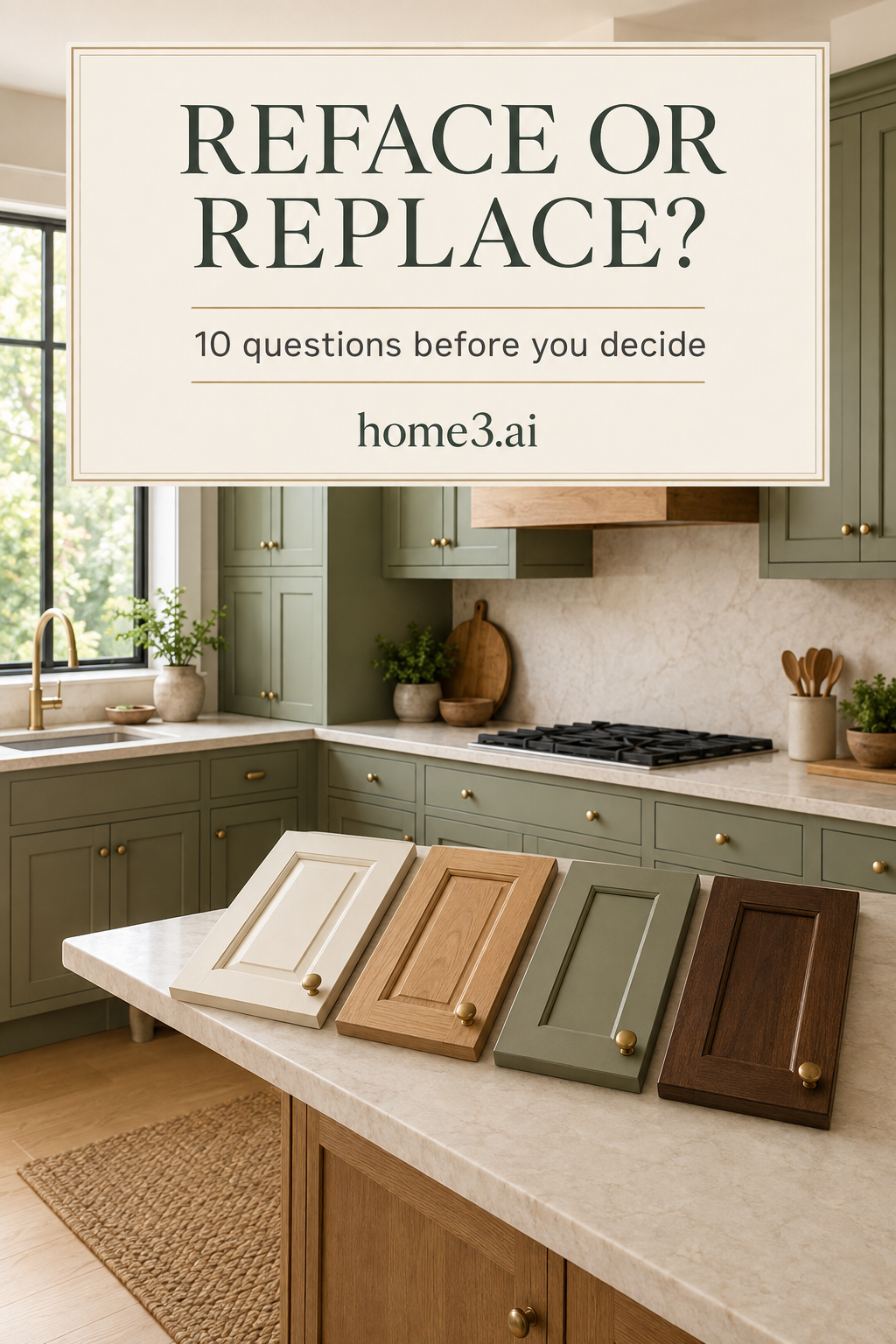
1. Are the existing cabinet boxes worth keeping?
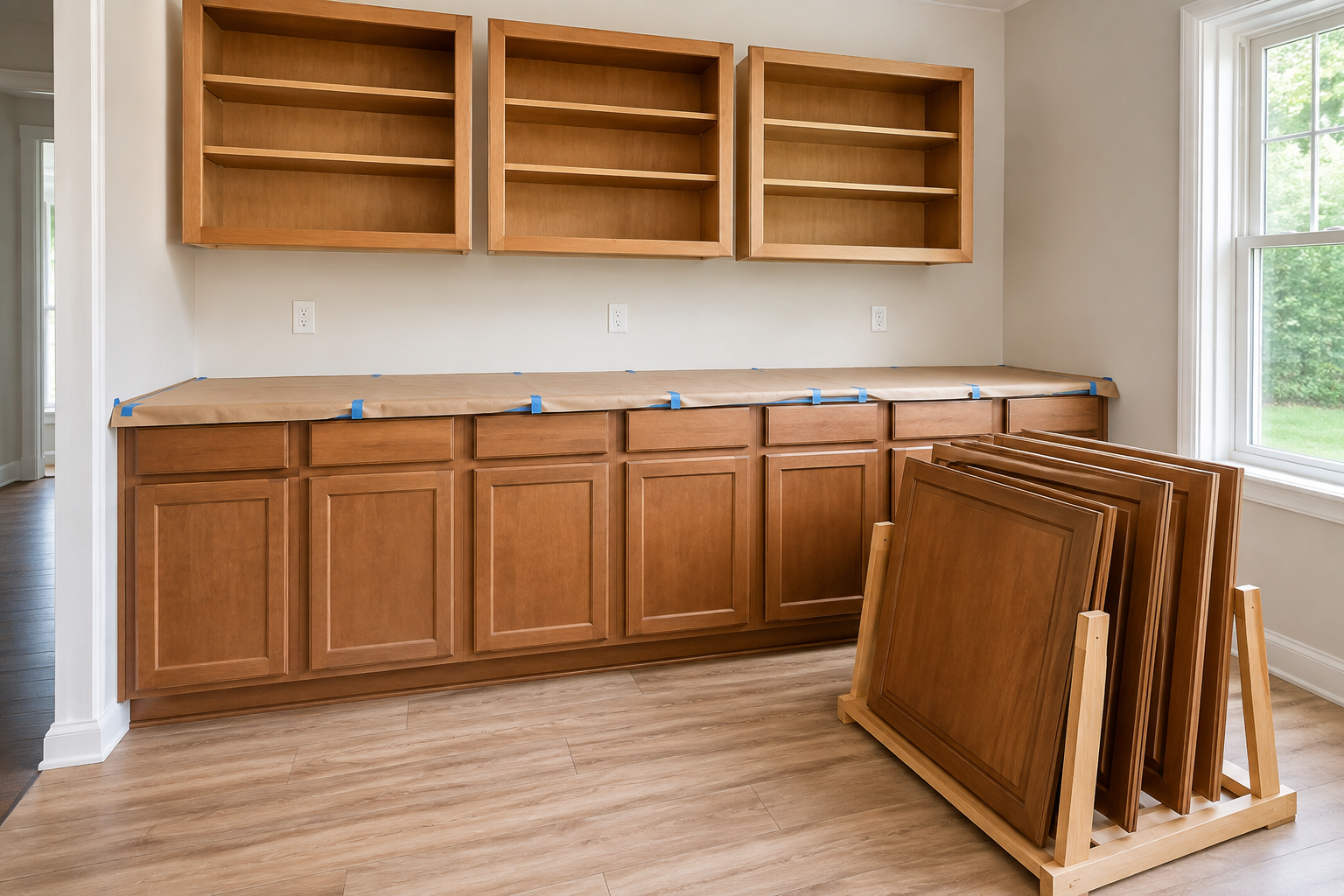
Look inside, underneath, along shelf-pin rows, at hanging rails, and around every connection. Note loose joints, sagging shelves, broken frames, swollen panels, odors, or repeated repairs. A common mistake is judging the kitchen only by dated door color and assuming the hidden boxes are sound. Another is rejecting sturdy boxes because the fronts are unattractive. Do not pull cabinets apart or declare structural damage yourself. Photograph concerns and ask a qualified cabinet provider or contractor to inspect them. Refacing makes sense only when the retained construction deserves the new finish and hardware placed on it.
2. Does the current layout already support daily life?
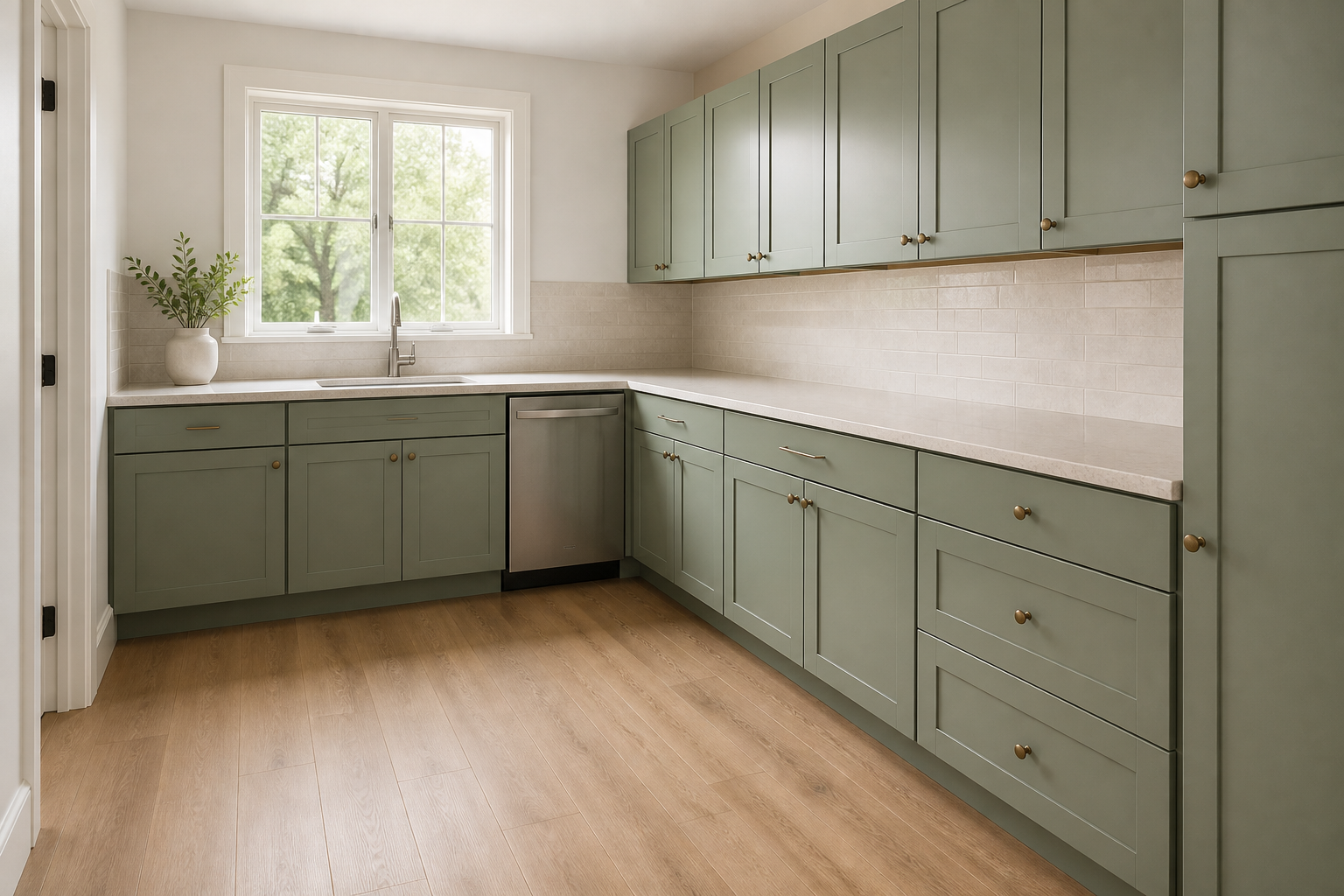
Trace groceries, food preparation, cooking, cleanup, dishes, waste, and the people who pass through the room. If locations and cabinet widths already work, keeping boxes may preserve a good plan with less disruption. A common mistake is letting fresh fronts distract from a refrigerator that blocks the aisle, a sink cabinet with poor storage, or a corner that never functions. Another is replacing everything even though the frustration is limited to organizers and finishes. Write the three best and three worst parts of the existing layout. That short list keeps the project focused on results instead of labels.
3. Would the better kitchen need a different footprint?
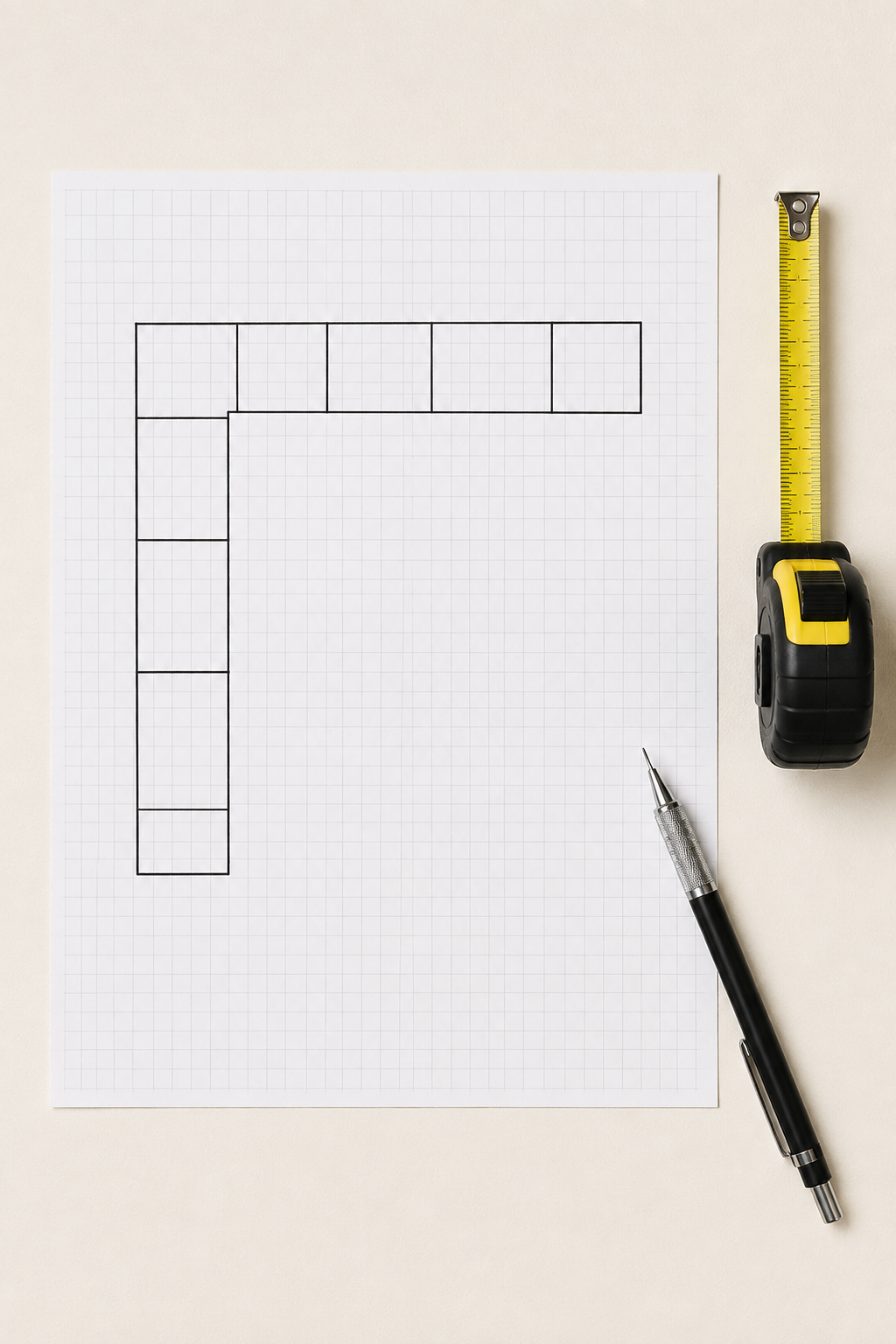
Sketch the current cabinet runs on graph paper and mark walls, doors, windows, utilities, appliances, and open aisles. Then draw the change you keep wishing for: a wider drawer base, relocated appliance, removed peninsula, or new pantry. A common mistake is asking a refacing project to solve a layout problem while every box stays in the same place. Another is redrawing the entire kitchen because one cabinet is inconvenient. You do not need professional drafting skills. Simple rectangles and honest notes are enough to show whether the desired change can happen within the existing footprint or requires selective or full replacement.
4. Is damage local, repairable, or part of a larger condition?
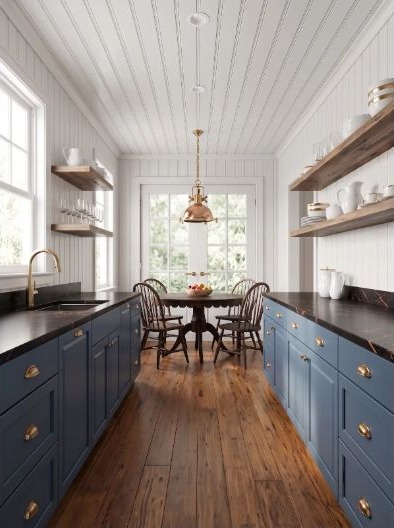
Check sink bases, dishwasher ends, refrigerator water areas, toe kicks, exterior walls, and anywhere steam or leaks have occurred. The familiar mistake is covering swelling, delamination, mold-like staining, or persistent odor with a new surface before the cause is understood. Another is treating one replaceable damaged box as proof that every cabinet must go. Stop active leaks and let the responsible contractor, cabinet provider, plumber, remediation professional, or other specialist evaluate the condition. A sound decision separates cosmetic wear from material failure and confirms that any moisture source is corrected before new work conceals it.
5. Can new fronts work with the existing overlay and hinges?
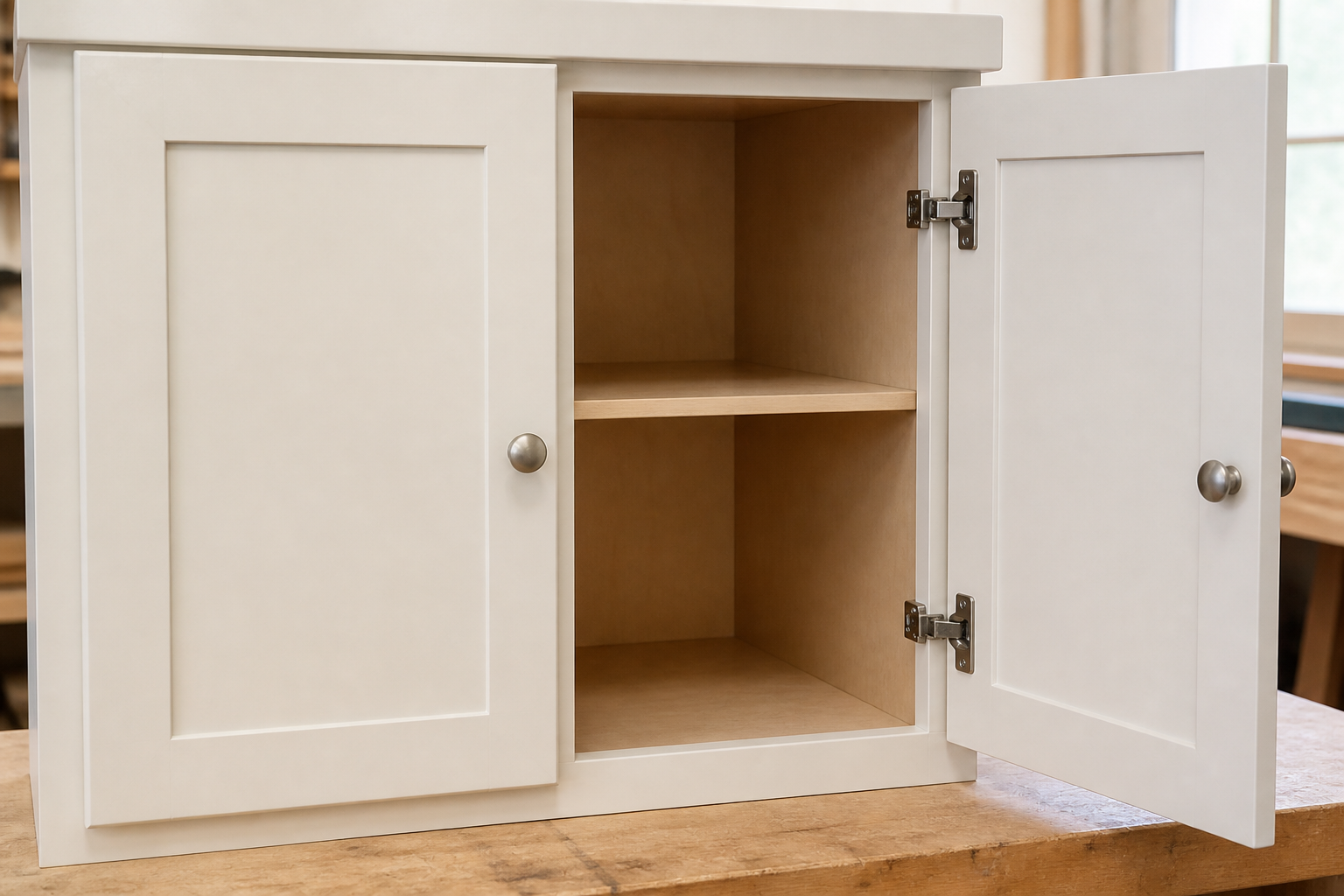
Record whether the cabinets are framed or frameless, how much each door covers the opening, hinge type, opening angle, paired-door relationship, and clearance beside walls or appliances. A common mistake is choosing a door style first and assuming it will fit the old hinge pattern. Another is measuring only the opening instead of the finished door size and overlay. Do not copy hinge drilling from a generic diagram. Ask the refacing provider to document the exact front, hinge, mounting plate, drilling, reveals, and open clearances they will use on your specific boxes.
6. What happens to end panels, fillers, moldings, and toe kicks?
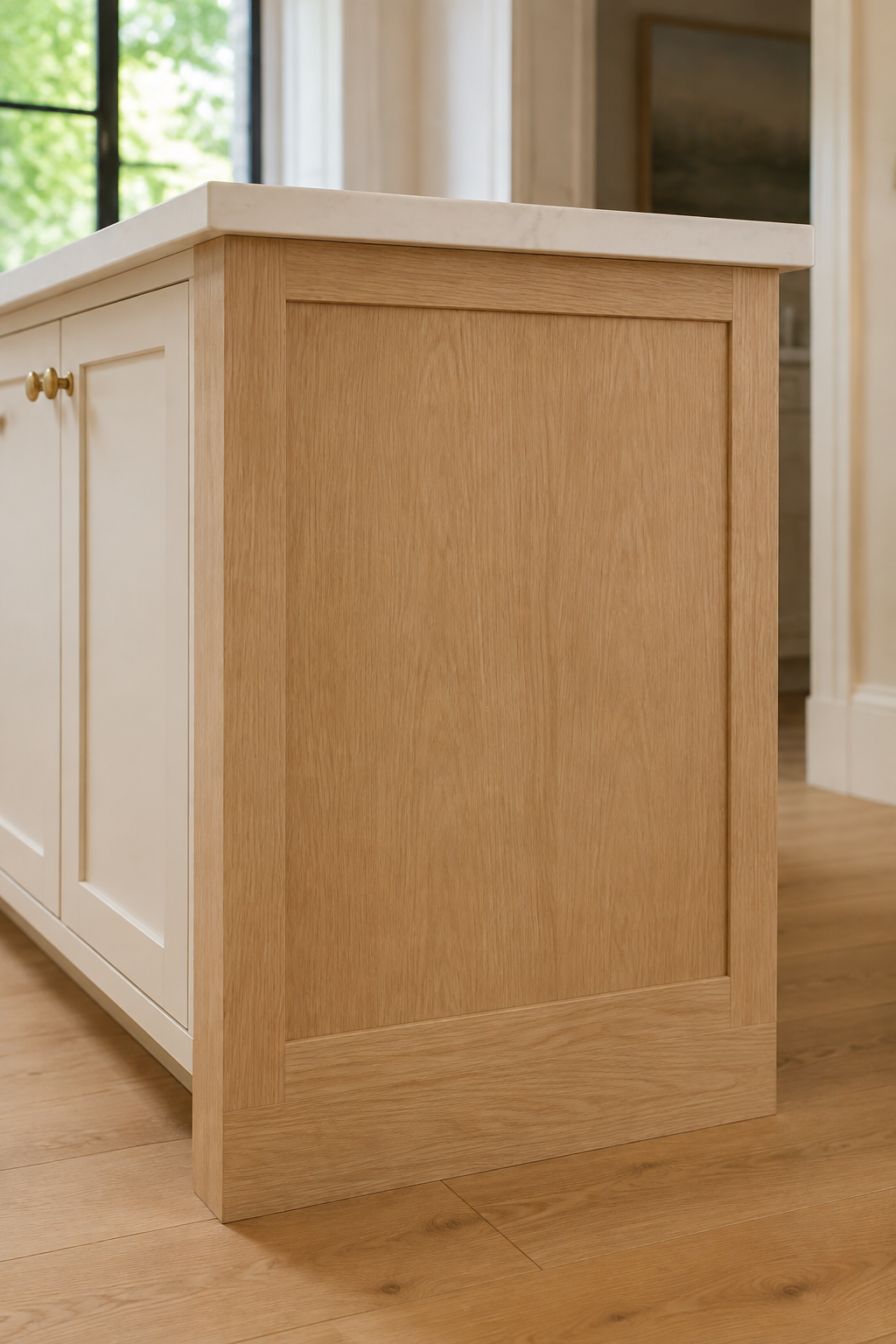
Make a list of every exposed cabinet side, island back, filler, light rail, crown, valance, toe kick, and transition to a wall or appliance. Refacing is more than swapping doors because these visible parts must join the new finish convincingly. A common mistake is comparing a front-only price with a replacement proposal that includes finished sides and trim. Another is applying a door-like panel where a fixed end needs different proportions and no hardware. Ask for elevations or marked photographs showing which surfaces are wrapped, skinned, replaced, painted, or intentionally left alone.
7. Will every appliance opening still fit and breathe?
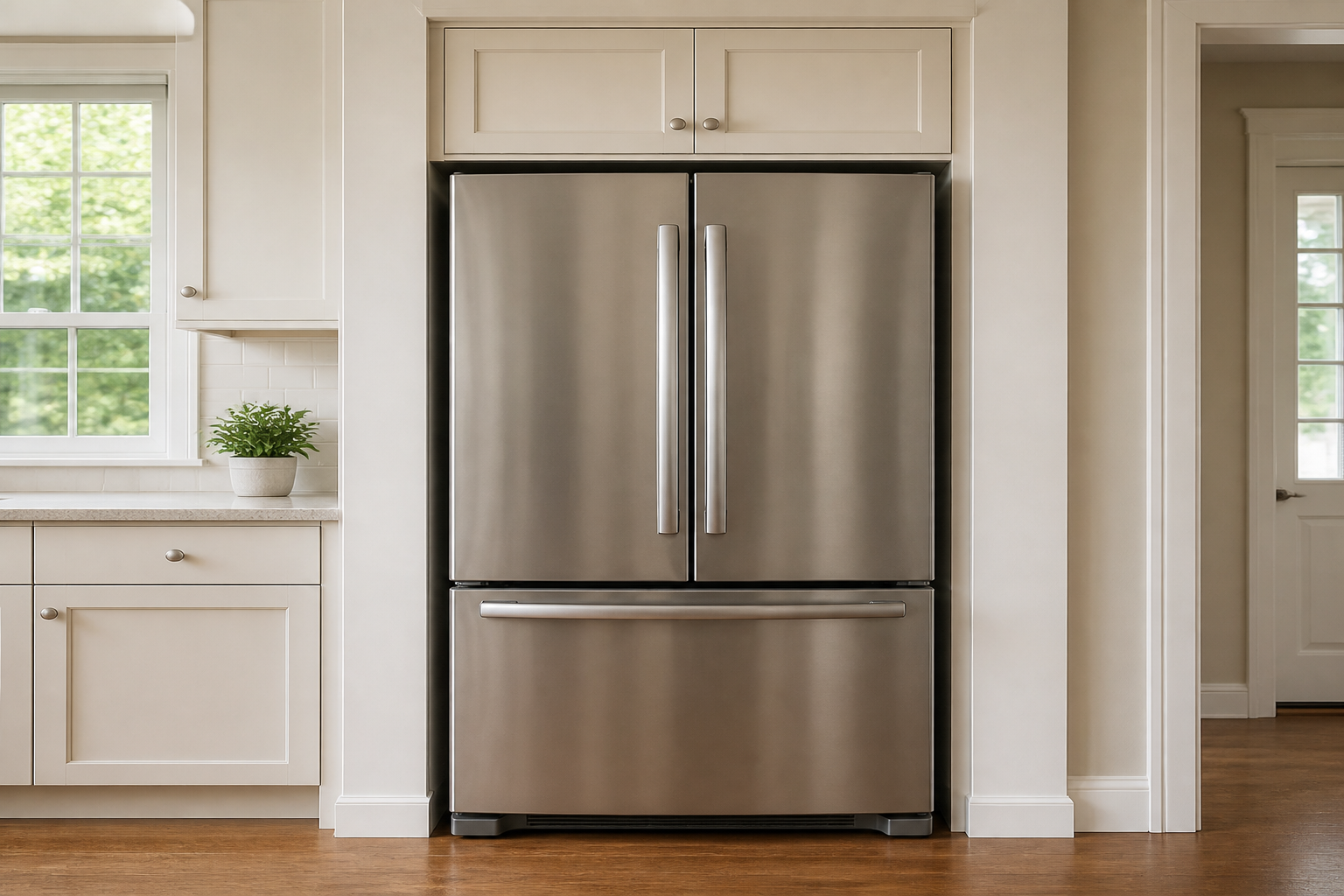
Measure the current refrigerator, dishwasher, range, wall oven, microwave, hood, and any appliance planned for replacement. Added skins, thicker panels, new doors, hardware, or countertop changes can narrow an opening or alter access. A common mistake is approving refacing around an appliance that will be replaced next year without checking likely constraints. Another is making a refrigerator surround visually tighter while losing required airflow or service space. Use current manufacturer information and have the responsible appliance, cabinet, countertop, trade, and installation providers confirm the finished openings before fronts or panels are fabricated.
8. Have you approved the finish on the real materials?
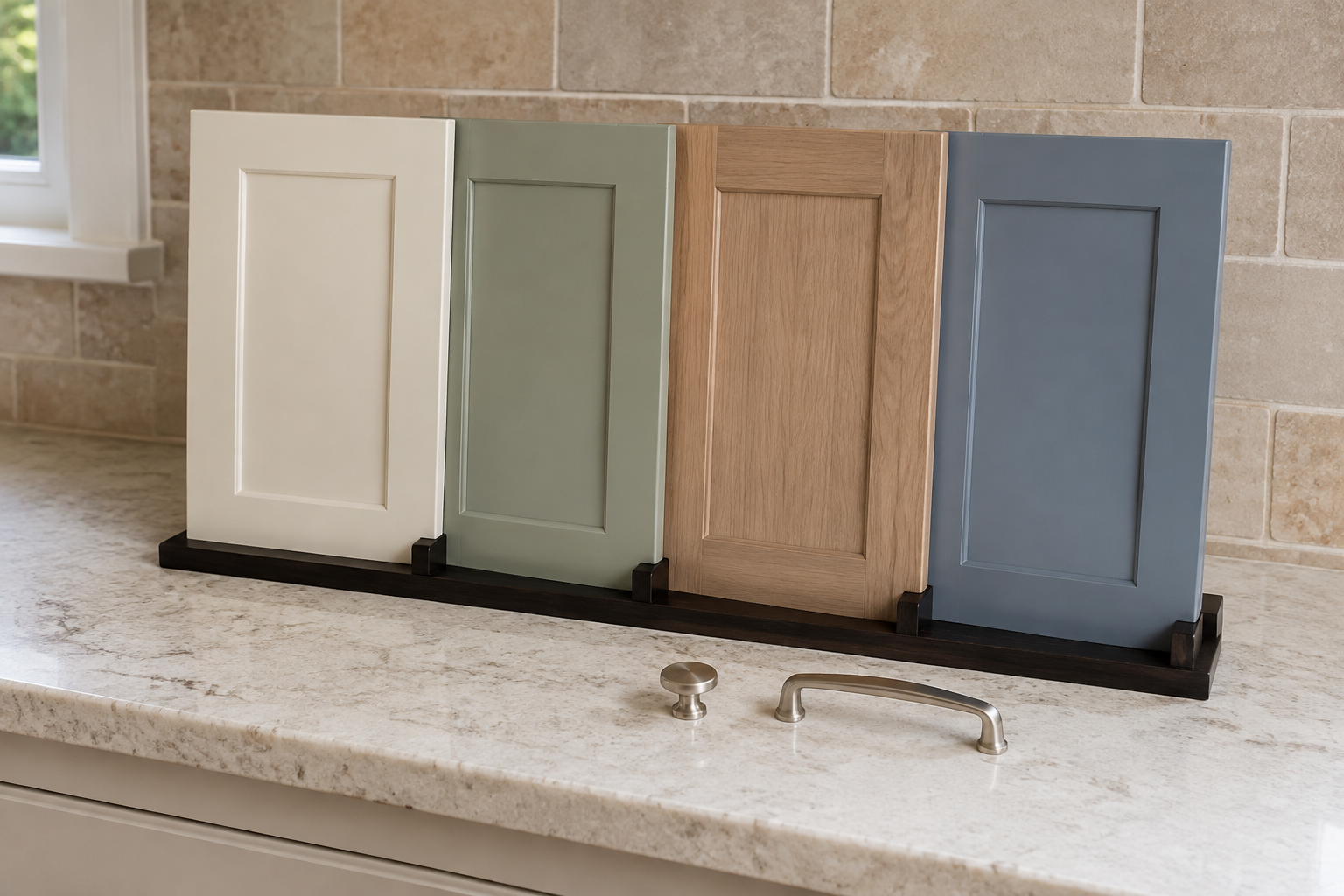
View actual door, edge, panel, and trim samples beside the existing counters, backsplash, floor, walls, and daylight. Paint, veneer, laminate, thermofoil, and wood each behave differently across doors, box faces, seams, grain, and repair. A common mistake is choosing from a small color chip and expecting every retained and new surface to read as one material. Another is approving a beautiful door without seeing its edge treatment. Move the samples around the room for several days, then have the provider identify exactly which material and finish appears on every visible part.
9. Does the proposal include the messy middle of the work?
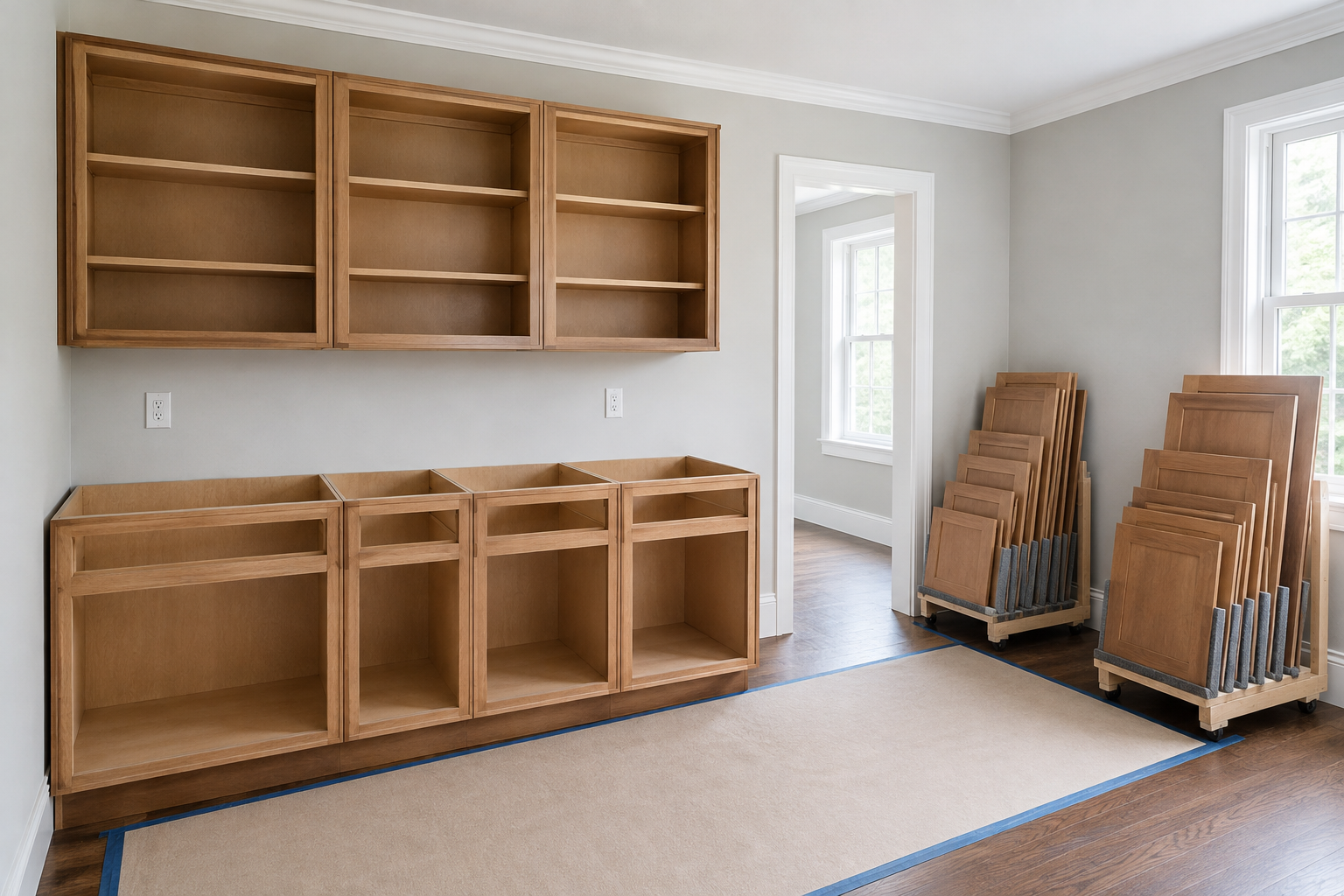
Compare removal, protection, cleaning, repairs, surface preparation, doors, drawer fronts, drawer boxes if any, hinges, slides, hardware, panels, moldings, toe kicks, countertops, plumbing or electrical work, disposal, adjustments, touchups, and warranty. The common mistake is comparing two bottom-line prices that describe different projects. Another is assuming the kitchen remains fully usable throughout either option. Ask for a written sequence and responsibilities, including what happens if hidden damage appears. A clear scope protects both choices and helps you distinguish a lower price from a genuinely smaller, well-defined project.
10. Which complete result is worth the cost and disruption?
Put both options on the same page: problems solved, boxes retained, layout changes, storage improvements, appliance readiness, visible materials, construction work, schedule, temporary kitchen needs, approvals, allowances, exclusions, and warranty. The final common mistake is treating refacing as automatically inexpensive or replacement as automatically better quality. Either can be poorly scoped; either can be appropriate. You do not need to become a cabinet expert to compare responsibly. Ask each provider to explain what remains, what changes, and which of your original frustrations the finished project will actually fix.
Connect the finish decision to layout and cabinet details
A fair comparison starts with the current boxes and daily routine, then follows every changed front, panel, opening, organizer, and responsibility. These guides help you examine the surrounding choices.
Compare Cabinet Door Styles Plan Drawers Versus DoorsTest the layout before choosing what stays
Use StilePath to map the current room and try the changes you are considering before committing to refacing or replacement. Start free, label what stays, and bring the plan and your questions to cabinet-provider review.
Start Planning Free